In this article
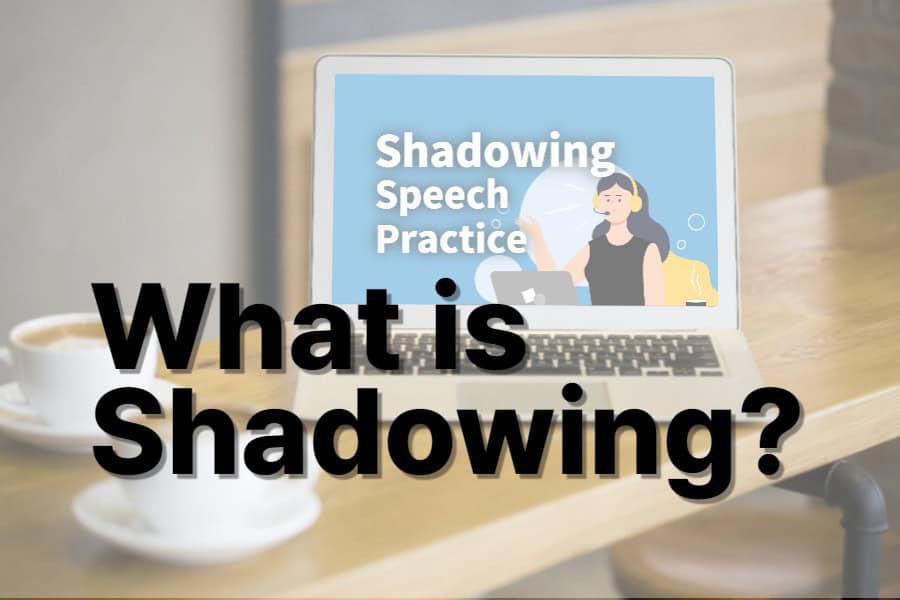
Are you looking for an effective way to improve your Korean speaking skills? Try shadowing! Today’s post is about ‘Korean Speaking with shadowing’. Our free course in our JAEM app, ‘Shadowing Speech Practice,’ is designed to help you enhance your listening and speaking abilities using the shadowing method. Let’s explore the benefits of shadowing and how our course can help you achieve fluency. 🎧🇰🇷
What is Shadowing?
Definition and Overview
Shadowing is a language learning technique where you listen to a native speaker and repeat what they say in real-time. This method helps you mimic natural speech patterns, improving your listening and speaking skills simultaneously. It’s like having a personal language coach guiding you through the intricacies of the language.
How Shadowing Works
In shadowing, you listen to a piece of audio or watch a video, and as the native speaker talks, you repeat their words as closely as possible. This practice helps you get used to the rhythm, intonation, and pronunciation of the language. Over time, you’ll find that you can better understand and produce natural-sounding Korean.
Benefits of Korean Speaking with shadowing
Improved Listening Skills
Shadowing forces you to listen carefully to native speakers, which helps you pick up on nuances in pronunciation, tone, and rhythm that you might miss otherwise. This heightened awareness can significantly improve your listening comprehension over time.
Enhanced Pronunciation and Intonation
By mimicking native speakers, you naturally improve your pronunciation and intonation, making your speech sound more authentic and fluent. This method allows you to hear and replicate the subtle differences in sounds that are crucial for speaking Korean correctly.
Increased Speaking Confidence
Practicing shadowing regularly builds your confidence in speaking Korean. You’ll become more comfortable with the language and more adept at expressing yourself clearly and accurately. The practice also helps you become more fluent, as you learn to speak without pausing to think about each word.
Our Free ‘Shadowing Speech Practice’ Course
Course Structure and Content
Our ‘Shadowing Speech Practice’ course consists of various modules that guide you through the shadowing process. Each module includes audio and video materials featuring native Korean speakers. You’ll practice shadowing different types of content, from everyday conversations to more formal speech.
In each module, you’ll:
- Listen to a native speaker.
- Repeat their words and phrases in real-time.
- Review key vocabulary and expressions.
- Practice with exercises designed to reinforce your learning.
How to Access the Course
To access our free ‘Shadowing Speech Practice’ course, you’ll need to download our app here. Once you’ve installed the app, you can start the course and follow along with the provided materials.
For a preview of our course, check out this YouTube video where we demonstrate the shadowing technique in action. 📺
Practice Korean Speaking with shadowing and be fluent
Shadowing is an effective and engaging way to improve your Korean speaking skills. By regularly practicing with our free ‘Shadowing Speech Practice’ course, you can enhance your listening, pronunciation, and overall speaking confidence. Download our app today to get started on your journey to Korean fluency! 🎉
Korean grows when you use it.
한국어는 사용하면서 늘어요.
Free files, a weekly tip, and free lessons. Pick one to start.

About the author
Chris
Chris has taught Korean in Korea for over four years. He teaches TOPIK prep, business Korean, and intermediate to advanced speaking. He is also the head teacher of JAEM.
One Korean tip a week
뉴스레터 · 매주 한 번
A short email with Korean you can use this week. In English, with Korean examples.